
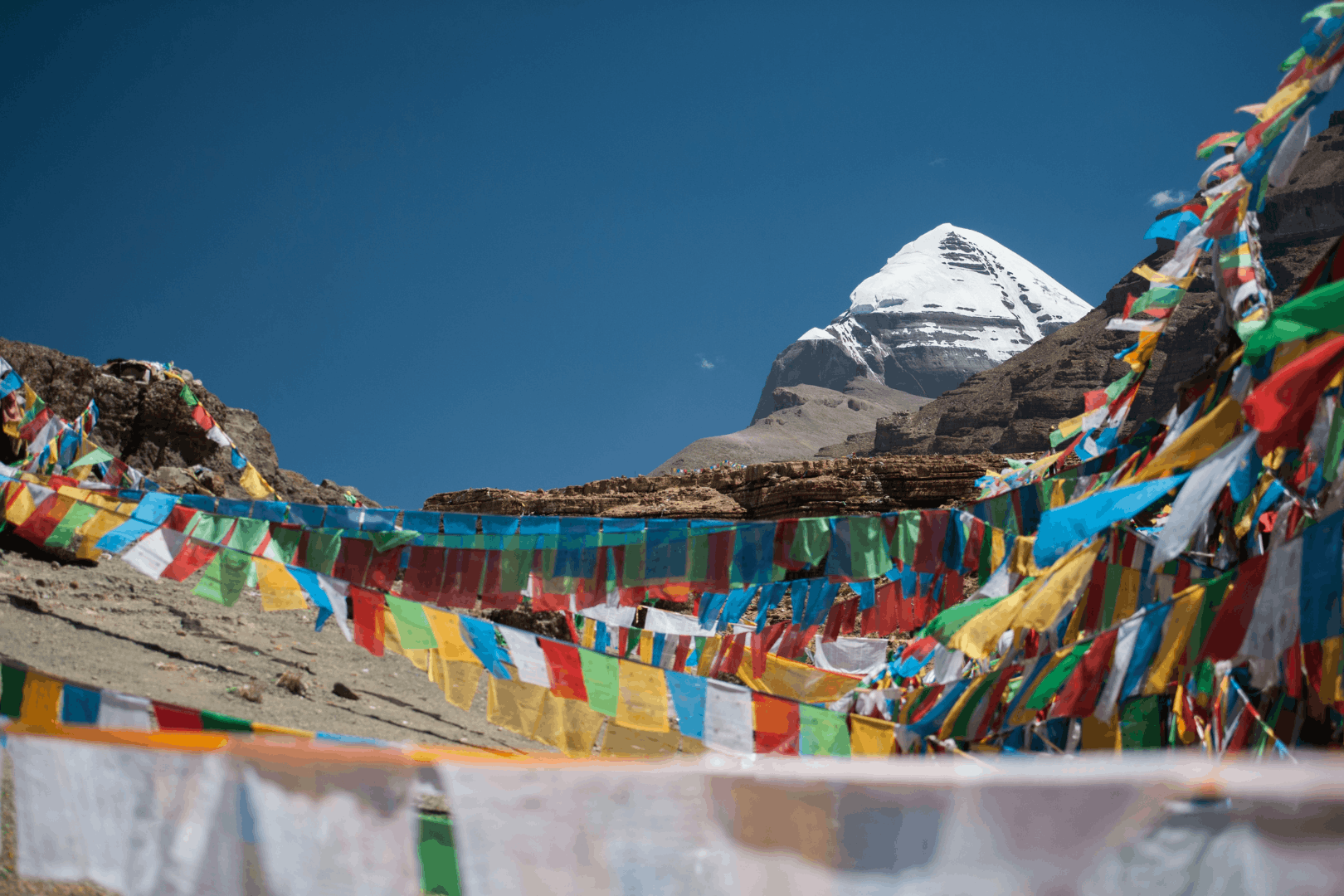
The 2026 pilgrimage season is underway, with thousands of Indian devotees choosing Nepal’s Kathmandu – Nepalgunj – Simikot corridor as their gateway to the sacred Mount Kailash and Lake Mansarovar in Tibet, bringing renewed economic vitality to the remote Humla District.
KATHMANDU, NEPAL – The annual Kailash Mansarovar pilgrimage season has gained strong momentum in 2026, with a growing number of Indian devotees traveling through Nepal’s Simikot – Hilsa corridor to reach the sacred sites of Mount Kailash and Lake Mansarovar in Tibet. Tourism operators across Nepal report a significant increase in bookings, making this Himalayan route one of the preferred gateways for pilgrims seeking one of the world’s most revered spiritual journeys.
The Simikot – Hilsa route passes through Nepal’s remote Humla District before crossing into Tibet at the Hilsa border point. Its popularity has grown due to improved infrastructure, accessibility by air, and organized cross-border pilgrimage arrangements. With the season running from May to September, tourism stakeholders believe 2026 could become one of the strongest pilgrimage years on record.
The Simikot – Hilsa Pilgrimage Route
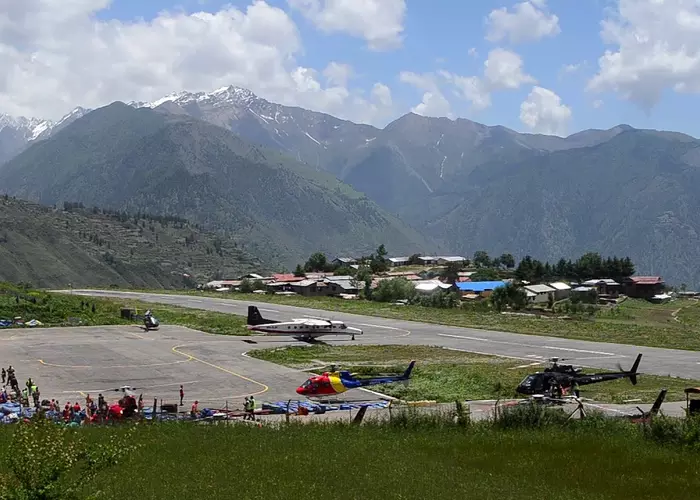
The journey typically begins in Kathmandu, where pilgrims complete permit formalities and prepare for high-altitude travel. From Kathmandu, travelers fly to Nepalgunj and then to Simikot, the headquarters of Humla District. From Simikot, pilgrims travel by helicopter or overland to Hilsa, cross into Tibet through Purang (Taklakot), and continue toward Lake Mansarovar and Mount Kailash.
Route Snapshot
- Kathmandu – Arrival, permits, acclimatization
- Nepalgunj – Domestic transit hub
- Simikot (2,910 m) – Gateway to Tibet corridor
- Hilsa (3,680 m) – Nepal – China border crossing
- Purang/Taklakot (3,900 m) – Tibetan entry point and acclimatization stop
- Lake Mansarovar (4,590 m) – Sacred lake pilgrimage
- Mount Kailash Kora (up to 5,630 m) – Three-day sacred circumambulation
Key Highlights
- Simikot Airport is the final major air gateway before the Tibet border.
- Hilsa Border Crossing serves as the official Nepal – China entry point.
- Purang (Taklakot) is the main Tibetan town serving pilgrims.
- Drolma La Pass (5,630 m) is the highest point of the Kailash Kora and one of its most sacred locations.
Sacred Significance of Mount Kailash and Lake Mansarovar
Mount Kailash (6,638 m)
Mount Kailash is considered one of the holiest mountains in the world and remains unclimbed due to its religious significance.
Hinduism: Regarded as the abode of Lord Shiva and Goddess Parvati. Completing the Kailash Parikrama is believed to cleanse sins.
Tibetan Buddhism: Considered the home of Demchok (Chakrasamvara). Completing multiple koras is believed to bring spiritual merit and enlightenment.
Jainism: Revered as Ashtapada, where the first Tirthankara, Rishabhadeva, attained liberation.
Bon Religion: Known as Tise, it is the most sacred site of Tibet’s ancient Bon faith.
Mount Kailash is also linked to the origins of several major Asian rivers, including the Indus, Sutlej, Brahmaputra, and Karnali.
Lake Mansarovar (4,590 m)
Lake Mansarovar is one of the world’s highest freshwater lakes and is deeply revered across multiple faiths. In Hindu tradition, it is believed to have been created by Lord Brahma. Pilgrims consider bathing in its waters a spiritually purifying act.
The lake lies beside Rakshas Tal, creating a striking contrast between two legendary and spiritually significant water bodies.
Economic Impact on Humla
The annual pilgrimage has become a major source of income for Humla, one of Nepal’s most remote districts.
Benefits include:
- Increased passenger traffic through Simikot Airport
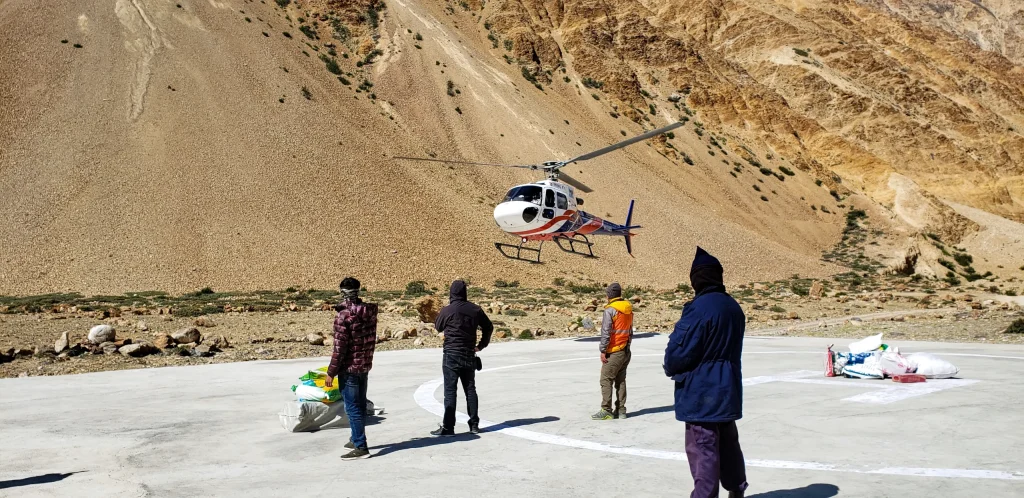
- Growth in helicopter operations between Simikot and Hilsa
- Higher occupancy rates for hotels and lodges
- More employment opportunities for guides, porters, cooks, and logistics providers
- Increased business for local traders and service providers
Tourism stakeholders believe the continued growth of the Kailash pilgrimage can strengthen Nepal’s religious tourism industry while supporting local Himalayan communities.
Travel Essentials for 2026 Pilgrims
Required Permits
- Nepal Tourist Visa
- Chinese Group Visa
- Tibet Travel Permit (TTP)
- Alien Travel Permit (ATP)
Best Time to Travel
- Pilgrimage season: May to September
- Peak months: June, July, and August
- Saga Dawa Festival period is considered especially auspicious
Health and Safety
- The Kailash Kora reaches an altitude of 5,630 meters.
- Proper acclimatization is essential.
- Travelers should stay hydrated and consult medical professionals regarding altitude sickness prevention.
- High-altitude travel insurance is strongly recommended.
Frequently Asked Questions
What is the Kailash Mansarovar route via Nepal?
Pilgrims travel Kathmandu → Nepalgunj → Simikot → Hilsa → Purang → Lake Mansarovar → Mount Kailash.
When is the best time for the pilgrimage?
May to September, with June to August generally offering the most stable conditions.
Do Indian pilgrims need a visa?
Yes. Nepal entry requirements and Chinese group visa arrangements are required through authorized operators.
How long does the journey take?
Typically 14 – 18 days, including acclimatization and the Kailash Kora.
Why is Mount Kailash sacred?
It is regarded as the abode of Lord Shiva and holds significance in Hinduism, Buddhism, Jainism, and Bon traditions.
How does the pilgrimage benefit Nepal?
It generates revenue for airlines, hotels, helicopter operators, local businesses, and residents of Humla District.
Outlook
With the 2026 pilgrimage season progressing strongly, Nepal’s Simikot – Hilsa corridor continues to establish itself as a major gateway for international pilgrims traveling to Mount Kailash and Lake Mansarovar. Strategic investments in infrastructure, border management, and sustainable tourism can further strengthen Nepal’s position as one of Asia’s leading pilgrimage destinations.


