

Chef Govinda Narsingh K.C., former Executive Chef at The Soaltee, Hotel Everest and Hotel Annapurna, has spent nearly 40 years introducing Nepali food to the world. In this interview, he explains why Nepali cuisine still lacks global recognition, what young Nepali chefs need to succeed, and what it would take to put Nepal on the international culinary map.
Who Is Chef Govinda Narsingh K.C.?
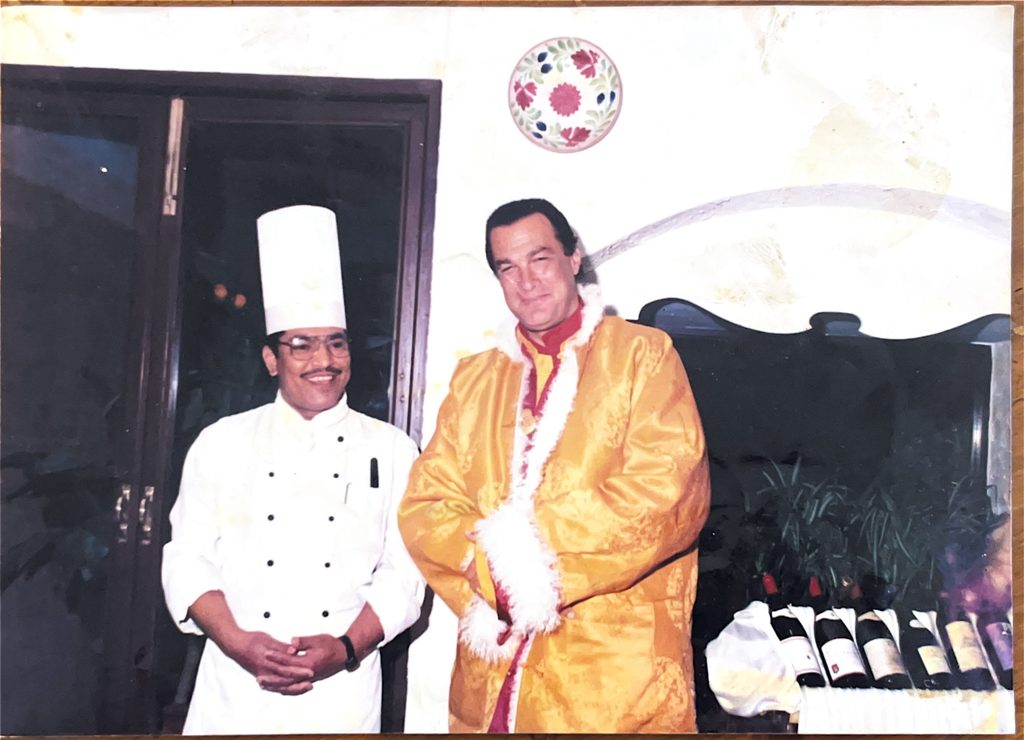
Chef Govinda Narsingh K.C. is a veteran Nepali culinary professional and one of Nepal’s most recognized culinary ambassadors. Over a career spanning decades, he has held Executive Chef positions at some of Nepal’s leading hotels – The Soaltee, Hotel Everest, and Hotel Annapurna – and has represented Nepali cuisine internationally in Shanghai, Hyderabad, Mumbai, Singapore, Istanbul and other parts of Turkey. Today, he continues to advocate for global recognition of Nepali food and for better training and opportunities for Nepal’s young chefs.
How Did Chef Govinda K.C. Begin Promoting Nepali Cuisine Internationally?
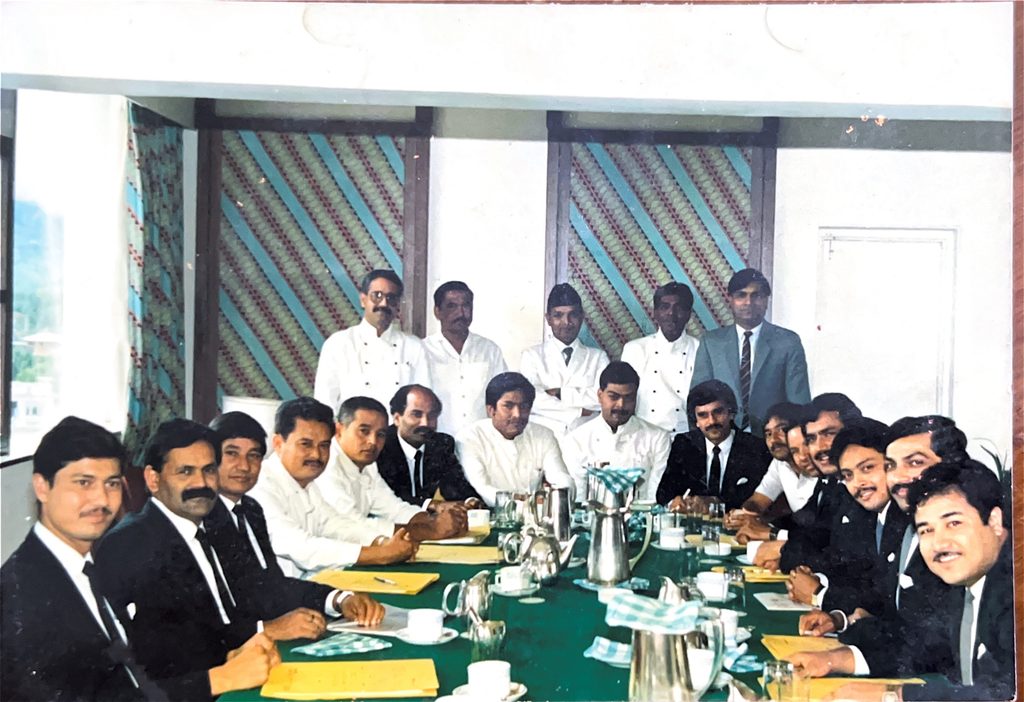
Chef K.C.’s international culinary journey began in the late 1980s. Between 1986 and 1989, he presented Nepali local and traditional dishes through special menus abroad, and in 1990 he took part in a food promotion program in Shanghai. Over the years that followed, he carried Nepali cuisine to Hyderabad, Mumbai, Singapore, Istanbul and other Turkish cities, always centering his presentations on authentic Nepali ingredients, spices and traditional recipes.
He also points to 2018, during Tourism Minister Rabindra Adhikari’s tenure, as a period when government-level conversations about promoting Nepali cuisine gained momentum – including efforts to document Nepal’s culinary heritage through books and reference materials. His conviction has stayed consistent throughout: Nepali food has genuine global appeal, but it needs the right platform and sustained international exposure to be recognized.

Why Hasn’t Nepali Cuisine Gained the Global Recognition It Deserves?
According to Chef K.C., the biggest obstacles are fragmented efforts among chefs and limited government support. Promoting Nepali cuisine on a global scale, he argues, requires coordinated action between chefs, hotels, tourism bodies and government agencies – not isolated individual initiatives.
He also emphasizes Nepal’s untapped culinary diversity. From the Himalayan region to the hills and the Terai plains, different communities maintain distinct dishes, ingredients, spices and cooking traditions that remain largely unexplored by international audiences. He sees this diversity as a competitive advantage for tourism: visitors don’t come to Nepal for mountains alone, but for food, culture, hospitality and a traditional way of life woven together.
Nepal’s hospitality infrastructure has grown substantially – the country now has 26 five-star hotels – but Chef K.C. cautions that hotel growth alone won’t build culinary reputation. Without deliberate promotion of Nepali chefs and Nepali food specifically, that infrastructure growth won’t translate into global culinary recognition.
What Advice Does Chef Govinda K.C. Give to Aspiring Nepali Chefs?
Chef K.C. is direct with young people entering the profession: culinary school is only the starting point. Real growth happens afterward, through hands-on kitchen experience, sustained practice and hard work. He anchors his mentorship around three core values:
- Respect – for every colleague, regardless of rank or position
- Discipline – essential for kitchen teamwork, cleanliness, timing and coordination
- Punctuality – non-negotiable in a professional kitchen environment
He also recommends a simple framework for balancing a chef’s daily life: eight hours for hard work, eight hours for rest, and eight hours for entertainment, learning and positive thinking. His broader message to young chefs is to resist expectations of instant success and instead focus on gradually building skills, discipline and experience.

Why Are Chefs and Kitchens Central to Nepal’s Hotel and Tourism Industry?
Chef K.C. describes the kitchen as one of the most important departments in any hotel, since food quality directly shapes how guests remember their stay. Even a hotel with excellent rooms and facilities suffers in guest perception if its food and kitchen service fall short.
He argues that Nepali chefs still need better working conditions – including proper kitchen facilities, professional respect, training opportunities and healthier work environments. In his view, a professional chef isn’t simply someone who cooks; a chef represents the hospitality of the hotel, and often, of Nepal itself, to every guest they serve.
What Is Chef Govinda K.C.’s Vision for Nepali Cuisine on the Global Stage?
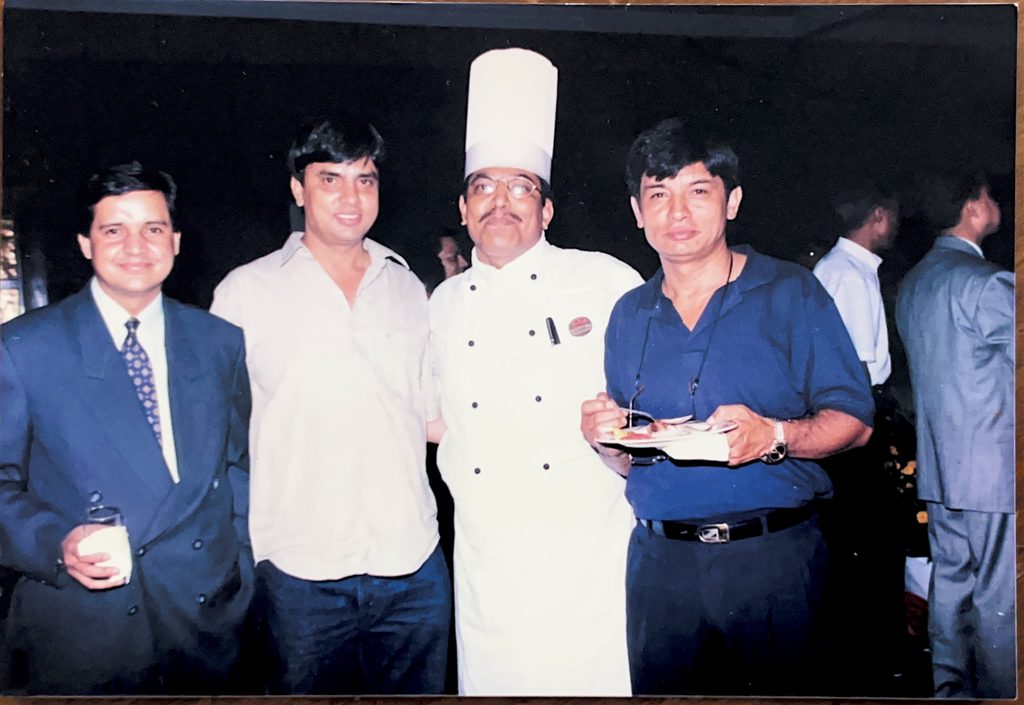
Chef K.C.’s long-term goal is for Nepal to be established on the global culinary map with its own distinct identity. He believes Nepal already possesses the essential ingredients for this: authentic traditional foods, locally sourced ingredients, indigenous spices, diverse regional food cultures, and Nepali hospitality itself. What’s missing, he says, is a coordinated strategy to bring these strengths to international audiences.
His roadmap involves joint action from government, the tourism sector, the hotel industry and chefs – through international Nepali food festivals, culinary exchange programs, chef competitions, and international showcases. He also stresses the importance of documenting Nepal’s food heritage through books, research and formal culinary records, alongside sending Nepali chefs abroad to represent Nepal and inviting international chefs to experience Nepali cuisine firsthand.
His stated goal: that when people around the world hear the words “Nepali cuisine,” they immediately associate it with Nepal’s distinct flavors, traditional dishes, spices and culinary heritage.
Key Takeaways
- Chef Govinda Narsingh K.C. has promoted Nepali cuisine internationally since the late 1980s, presenting Nepali food in Shanghai, Hyderabad, Mumbai, Singapore, Istanbul and Turkey.
- He identifies fragmented efforts among chefs and weak government coordination as the main reasons Nepali cuisine lacks global recognition.
- Nepal’s regional culinary diversity – Himalaya, hills and Terai – remains a largely untapped tourism asset.
- He advises young chefs to prioritize respect, discipline and punctuality, and to expect gradual – not instant – success.
- He calls for coordinated national strategy: food festivals, culinary exchange programs, documentation of food heritage, and international chef exchanges.
Frequently Asked Questions
Who is Chef Govinda Narsingh K.C.?
He is a veteran Nepali chef and culinary ambassador who has served as Executive Chef at The Soaltee, Hotel Everest and Hotel Annapurna, and has promoted Nepali cuisine internationally since the 1980s.
Why is Nepali cuisine not well known internationally?
Chef K.C. attributes this mainly to a lack of coordination among chefs, insufficient government support, and limited investment in promoting Nepal’s diverse regional food traditions abroad.
What qualities does Chef Govinda K.C. say young chefs need?
He highlights three essentials: respect for colleagues at every level, discipline in the kitchen, and punctuality – combined with realistic expectations about how long success takes to build.
How many five-star hotels does Nepal have?
According to Chef K.C., Nepal has 26 five-star hotels, reflecting significant growth in hospitality infrastructure – though he notes this alone hasn’t translated into global culinary recognition.
What does Chef Govinda K.C. propose to promote Nepali cuisine globally?
His roadmap includes international Nepali food festivals, culinary exchange programs, chef competitions, documentation of traditional recipes, and coordinated efforts between government, tourism bodies, hotels and chefs.


